
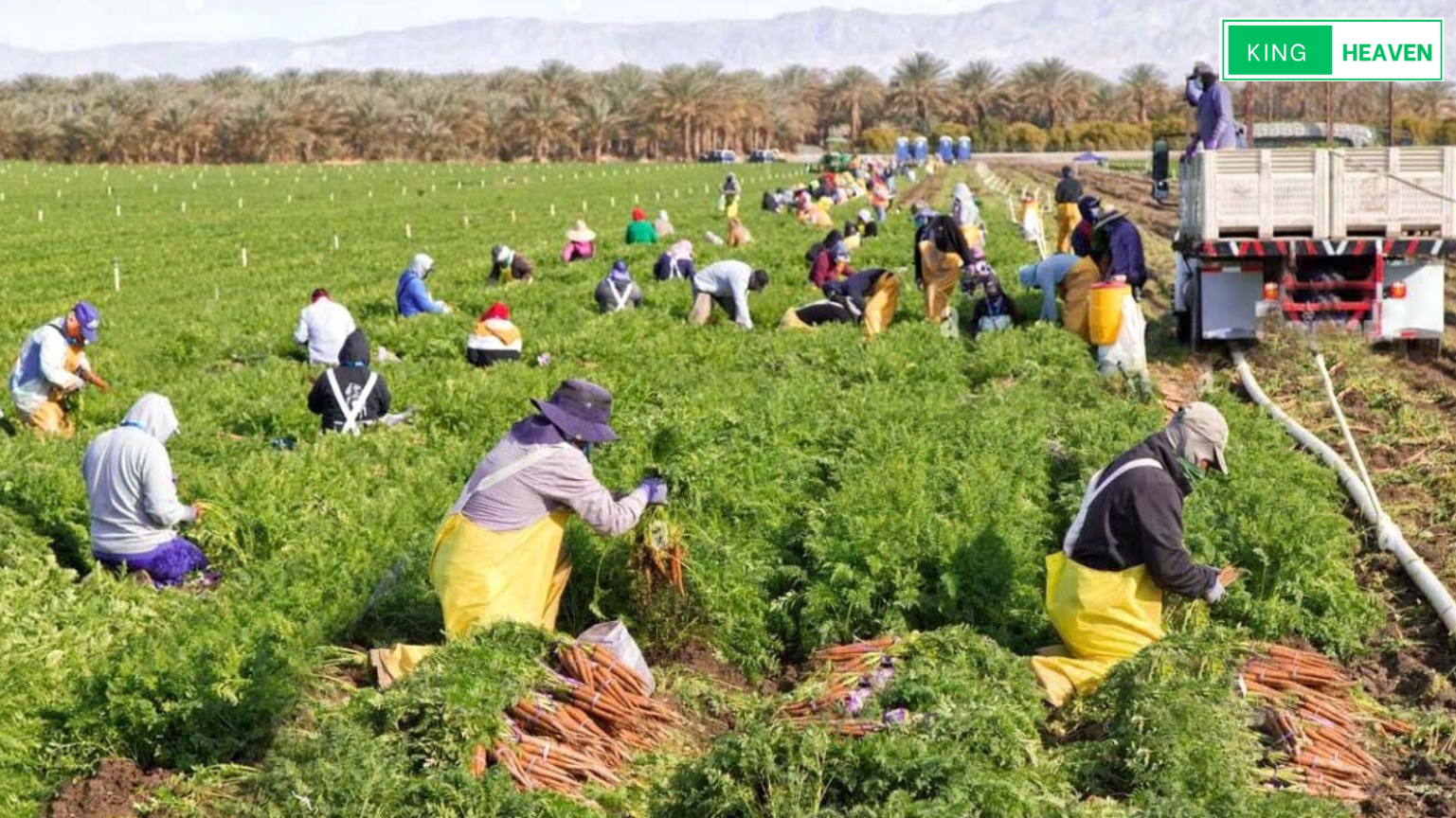
Farming in low-resource or poor communities is challenging, but small improvements can create a big difference. With the right techniques, farmers can increase production, reduce cost, and protect their land for the future. Here are five simple, low-cost methods any farmer can start using today:
1. Use Organic Compost Instead of Chemical Fertilizers
Good soil is the heart of good farming. Instead of expensive chemical fertilizers, farmers can make compost at home using crop waste, animal manure, and kitchen scraps.
- Benefits: Improves soil fertility
- Costs almost nothing
- Better for long-term soil health
2. Mulching to Save Water
Mulching means covering the soil with dry leaves, straw, or old crop residue.
- Stops the soil from drying
- Reduces weeds
- Helps plants grow stronger
This is especially useful in areas with limited water supply.
3. Use Improved Seeds That Are Local and Low-Cost
High-quality seeds increase yields without needing extra fertilizer. Many agriculture offices and NGOs provide improved seeds at low or no cost.
- Higher production
- Better disease resistance
- Less risk for farmers
4. Simple Drip Irrigation with Bottles or Pipes
Small farmers don’t need expensive drip systems. A bottle with a small hole, or low-cost pipes, can slowly deliver water directly to plant roots.
- Saves water (often up to 50%)
- Reduces labor
- Increases crop survival
5. Natural Pest Control from Local Resources
Farmers can use neem leaves, chili spray, or garlic mixtures to protect crops from pests.
- Safe for soil and health
- Much cheaper than chemical pesticides
- Easy to prepare at home
These simple, low-cost farming techniques are easy to learn and powerful enough to improve the lives of farmers in poor communities. With small steps, farmers can grow more, spend less, and build a stronger, sustainable future.